Advanced Water Treatment Technologies
Multi-Stage Filtration Systems
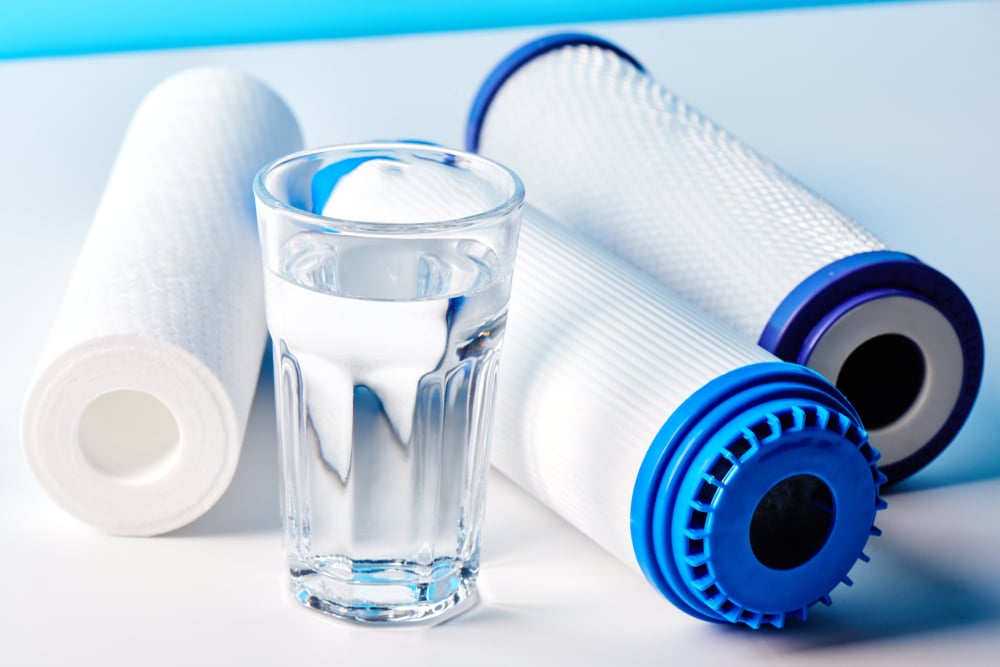
Advanced filtration systems combine multiple treatment technologies that address different contaminant types while providing comprehensive water treatment that meets specific water quality goals.
Multi-stage systems include sediment removal, carbon filtration, membrane treatment, and disinfection that work together to provide superior water quality while addressing Utah’s specific water challenges.
Smart Water Monitoring
Smart filtration systems include monitoring technology that tracks water quality, filter life, and system performance while providing maintenance alerts and usage information through smartphone apps.
Smart monitoring includes TDS meters, flow monitoring, and filter life indicators that ensure optimal system performance while providing valuable information for maintenance planning.
Automatic Regeneration and Cleaning
Advanced filtration systems include automatic regeneration and cleaning cycles that maintain optimal performance while minimizing maintenance requirements and ensuring consistent water quality.
Automatic systems include programmable controls, efficiency optimization, and self-cleaning features that provide reliable operation while reducing manual maintenance and service requirements.
Energy-Efficient Operation
Modern filtration systems include energy-efficient technologies that reduce operating costs while maintaining optimal performance and minimizing environmental impact.
Energy efficiency includes variable speed pumps, efficient UV lamps, and optimized regeneration cycles that reduce utility costs while providing reliable water treatment.
Professional Installation and Service
Comprehensive Water Testing
Professional water filtration begins with comprehensive water testing that identifies specific contaminants and quality issues requiring treatment while guiding system selection and configuration.
Water testing includes laboratory analysis, on-site testing, and ongoing monitoring that ensures filtration systems address actual water quality problems while meeting family needs and preferences.
Custom System Design
Water filtration systems require custom design based on water quality, usage patterns, and treatment goals that ensure optimal performance while providing cost-effective treatment solutions.
Custom design includes flow rate calculations, treatment sequence optimization, and equipment sizing that provides adequate capacity while ensuring efficient operation and long-term reliability.
Professional Installation Standards
Water filtration installation requires professional plumbing modifications, electrical connections, and system integration that ensures optimal performance while maintaining code compliance and warranty coverage.
Professional installation includes proper pipe sizing, adequate drainage, and appropriate electrical supply that ensures systems operate effectively while meeting manufacturer specifications.
System Integration and Plumbing
Filtration systems require careful integration with existing plumbing that maintains water pressure, flow rates, and system functionality while providing convenient access for maintenance and service.
Integration includes bypass systems, shut-off valves, and drainage connections that enable system maintenance while providing flexibility for future modifications or upgrades.
Maintenance and Service Programs
Regular Filter Replacement
Water filtration systems require regular filter replacement to maintain optimal performance and water quality while ensuring systems continue removing contaminants effectively.
Filter replacement includes schedule planning, quality filter supply, and installation services that maintain system performance while ensuring you always have clean, safe water.
System Sanitization and Cleaning
Filtration systems benefit from periodic sanitization and cleaning that removes bacterial growth and buildup while ensuring optimal performance and water quality.
Sanitization services include UV lamp replacement, system disinfection, and component cleaning that maintains system hygiene while ensuring safe, clean water production.
Performance Monitoring and Testing
Regular performance monitoring ensures filtration systems continue meeting water quality goals while identifying maintenance needs and optimization opportunities.
Monitoring includes water quality testing, flow rate verification, and efficiency assessment that ensures systems provide expected results while maintaining optimal operation.
System Optimization and Upgrades
Water filtration systems can be optimized and upgraded to improve performance, add capacity, or address changing water quality conditions that affect treatment requirements.
Optimization includes component upgrades, system expansion, and efficiency improvements that enhance performance while adapting to changing needs and water conditions.
Health and Quality Benefits
Improved Drinking Water Quality
Professional water filtration provides superior drinking water that tastes better while removing contaminants that could affect health and safety for your family’s daily consumption.
Quality improvements include chlorine removal, taste enhancement, and contaminant reduction that make water more enjoyable while providing peace of mind about safety and purity.
Appliance and Plumbing Protection
Water filtration protects expensive appliances and plumbing systems from mineral buildup, corrosion, and damage while extending equipment life and reducing maintenance costs.
Protection benefits include reduced mineral deposits, improved appliance efficiency, and extended equipment life that provide significant cost savings while maintaining optimal performance.
Environmental Benefits
Home water filtration reduces reliance on bottled water while providing environmental benefits through reduced plastic waste and transportation impacts.
Environmental benefits include waste reduction, energy savings, and reduced carbon footprint that support sustainability while providing superior water quality and convenience.
Cost Savings and Value
Water filtration systems provide long-term cost savings through reduced bottled water purchases, appliance protection, and improved efficiency that justify investment costs.
Cost benefits include reduced utility bills, extended appliance life, and eliminated bottled water expenses that provide substantial savings while improving quality of life.