

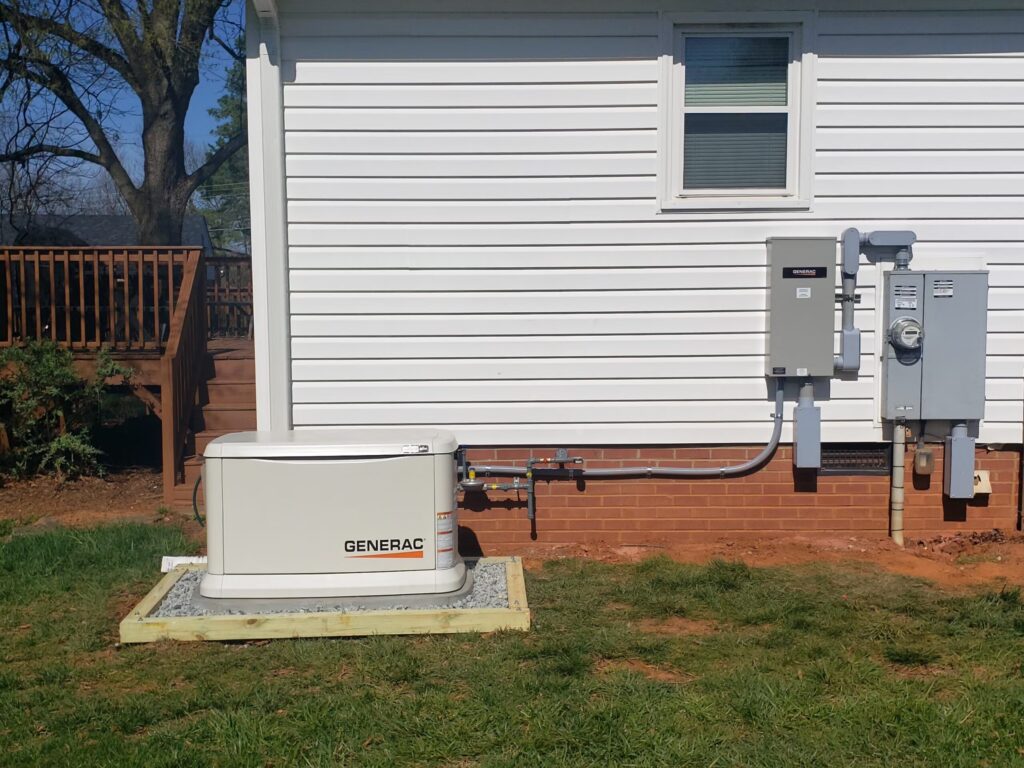
Generator sizing considerations include:
Electrical integration also includes coordination with smart home systems, security systems, and other electronic devices that benefit from uninterrupted power during utility outages.
 Trustindex verifies that the original source of the review is Google.

 Trustindex verifies that the original source of the review is Google.
 Trustindex verifies that the original source of the review is Google.
 Trustindex verifies that the original source of the review is Google.
 Trustindex verifies that the original source of the review is Google.
 Trustindex verifies that the original source of the review is Google.
 Trustindex verifies that the original source of the review is Google.
 Trustindex verifies that the original source of the review is Google.
 Trustindex verifies that the original source of the review is Google.

For standby generator installation and service, call 24/7 Services Utah at 385-261-4781. We serve Salt Lake County, Davis County, Summit County, and Utah County with comprehensive generator solutions and are available for regular appointments from 7 AM to 6 PM and emergency services 24/7.
Lorem ipsum dolor sit amet, consectetur adipiscing elit. Ut elit tellus, luctus nec ullamcorper mattis, pulvinar dapibus leo. Lorem ipsum dolor sit amet, consectetur adipiscing elit.
Lorem ipsum dolor sit amet, consectetur adipiscing elit. Ut elit tellus, luctus nec ullamcorper mattis, pulvinar dapibus leo. Lorem ipsum dolor sit amet, consectetur adipiscing elit.
Lorem ipsum dolor sit amet, consectetur adipiscing elit. Ut elit tellus, luctus nec ullamcorper mattis, pulvinar dapibus leo. Lorem ipsum dolor sit amet, consectetur adipiscing elit.
Lorem ipsum dolor sit amet, consectetur adipiscing elit. Ut elit tellus, luctus nec ullamcorper mattis, pulvinar dapibus leo. Lorem ipsum dolor sit amet, consectetur adipiscing elit.




Save more while keeping your home or business running smoothly! At 24/7 Services Utah, we believe top-quality electrical, plumbing, HVAC, and specialty services should be affordable for everyone. Explore our latest coupons and special offers designed to help you enjoy expert repairs, installations, and upgrades at unbeatable prices.